
In today’s rapidly evolving design landscape, sustainability is more than just a trend—it’s a necessity. As businesses and individuals become more environmentally conscious, the demand for sustainable fitout solutions has surged. Whether it’s for offices, retail spaces, or residential interiors, the use of eco-friendly materials and practices is crucial for reducing environmental impact while creating modern, stylish spaces. In this article, we explore key sustainable fitout strategies, materials, and design practices that are transforming the way we approach interior design.
1. The Importance of Sustainable Fitout Solutions
Sustainable fitout practices focus on minimizing the environmental footprint during the construction and design process, as well as throughout the lifecycle of the building. By choosing eco-friendly materials and implementing energy-efficient systems, businesses can reduce waste, lower energy consumption, and create healthier environments for occupants. These approaches not only help in fighting climate change but also appeal to a growing market of eco-conscious consumers who value brands that prioritize sustainability.
2. Eco-Friendly Materials for Fitouts
The foundation of any sustainable fitout lies in the materials used. By selecting eco-friendly, renewable, or recycled materials, designers can significantly reduce the environmental impact of their projects. Here are some popular options:
- Recycled and Reclaimed Materials: One of the most effective ways to reduce waste is by reusing existing materials. Recycled wood, metal, and glass are increasingly used in fitouts to create stylish, modern designs while minimizing resource extraction. Reclaimed wood, for example, can be used for flooring, furniture, or wall paneling, adding character and warmth to a space while promoting sustainability.
- Bamboo: Bamboo is an incredibly sustainable alternative to traditional hardwood. It grows rapidly and can be harvested without causing long-term damage to its ecosystem. Bamboo is versatile and can be used for flooring, wall panels, and furniture, providing a sleek and natural aesthetic while being durable and eco-friendly.
- Cork: Harvested from the bark of cork oak trees, cork is a renewable and biodegradable material that regenerates without harming the tree. It’s used in flooring, wall tiles, and acoustic solutions, offering natural insulation and sound absorption. Its unique texture adds an organic feel to interiors.
- Recycled Plastic: Designers are finding innovative ways to repurpose plastic waste into building materials such as tiles, furniture, and decorative elements. Using recycled plastic reduces the volume of waste in landfills and oceans, turning a problematic material into a sustainable design solution.
- Natural and Low-VOC Paints: Traditional paints often contain volatile organic compounds (VOCs), which can release harmful chemicals into the air. Eco-friendly, low-VOC paints and finishes are made from natural ingredients, reducing indoor air pollution and providing a healthier environment for occupants.
- Hempcrete and Other Sustainable Concrete Alternatives: Traditional concrete production has a significant environmental impact due to its carbon emissions. Alternatives like hempcrete, made from hemp fibers and lime, are gaining traction for their low carbon footprint, excellent insulation properties, and versatility in fitout projects.
3. Energy-Efficient Systems and Sustainable Practices
In addition to selecting eco-friendly materials, sustainable fitouts should incorporate energy-efficient systems that reduce resource consumption and operational costs over time. Here are some practices that can make a significant impact:
- LED Lighting: Switching to energy-efficient LED lighting is one of the simplest and most effective ways to reduce energy consumption. LEDs use significantly less power than traditional incandescent bulbs, last longer, and emit less heat, making them ideal for sustainable fitouts.
- Smart Energy Systems: Installing smart energy systems that automatically regulate lighting, heating, and cooling based on occupancy and time of day can greatly improve energy efficiency. These systems reduce waste by only using energy when needed, cutting down on overall consumption and lowering utility costs.
- Solar Panels and Renewable Energy: Where possible, incorporating renewable energy sources like solar panels can drastically reduce a building’s carbon footprint. Solar panels not only provide clean energy but can also lead to long-term savings by reducing dependency on grid electricity.
- Natural Ventilation and Cooling Systems: Instead of relying solely on air conditioning, sustainable fitouts should prioritize natural ventilation through the strategic placement of windows, vents, and open spaces. Passive cooling techniques, such as thermal mass and cross-ventilation, can help maintain comfortable temperatures while reducing energy use.
- Water Efficiency: Incorporating water-efficient fixtures, such as low-flow faucets, dual-flush toilets, and water-saving dishwashers, can reduce water consumption. Rainwater harvesting systems and greywater recycling are additional ways to conserve water in larger fitout projects.
4. Biophilic Design: Bringing Nature Indoors
Biophilic design, the practice of incorporating natural elements into built environments, is becoming an integral part of sustainable fitouts. By integrating plants, natural light, and organic materials, biophilic design enhances occupant well-being, improves air quality, and reduces stress—all while supporting sustainability goals.
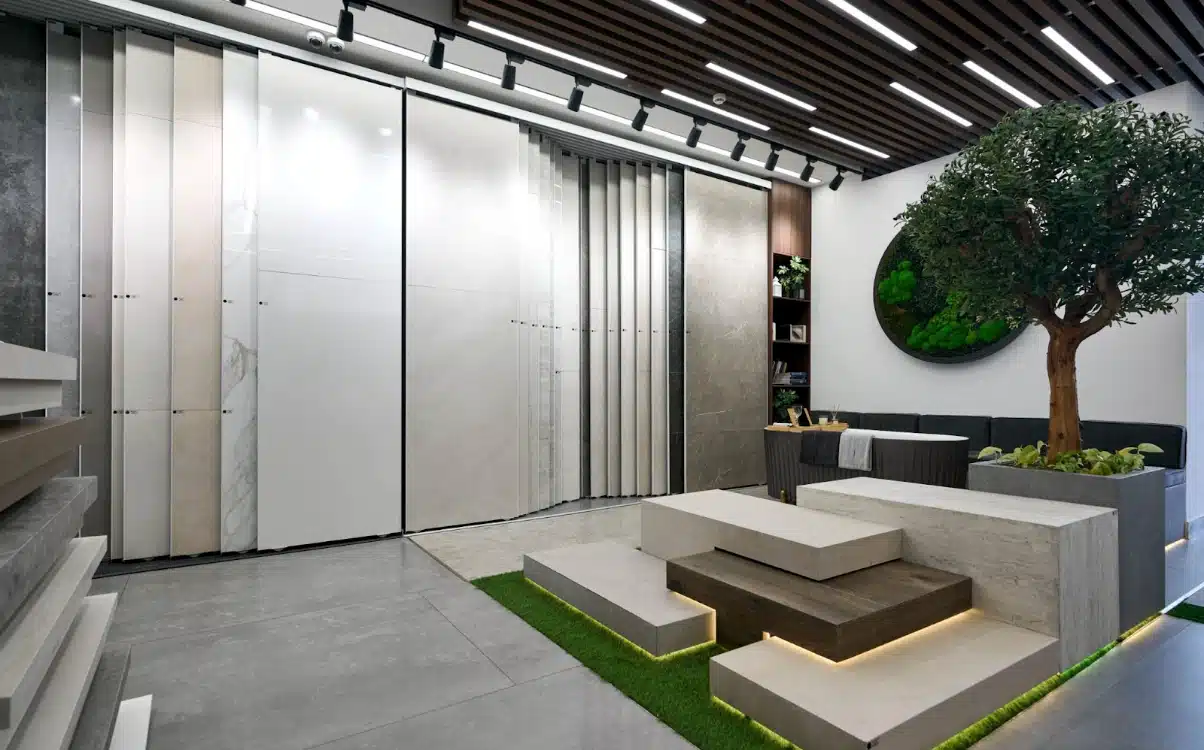
- Indoor Plants and Living Walls: Adding greenery through indoor plants or living walls not only improves air quality by absorbing carbon dioxide and releasing oxygen but also creates a calming, visually appealing environment. Plants help regulate humidity levels, reduce noise, and provide a connection to nature that can improve mental well-being in both commercial and residential spaces.
- Natural Light: Maximizing natural light reduces the need for artificial lighting, saving energy and creating a more pleasant environment. Large windows, skylights, and reflective surfaces can help increase daylight penetration, enhancing the space’s ambiance while promoting sustainability.
5. Waste Reduction and Circular Design
A key principle of sustainable fitouts is minimizing waste throughout the project lifecycle, from construction to eventual deconstruction. Circular design principles focus on reducing, reusing, and recycling materials to create a closed-loop system that minimizes waste.
- Modular and Demountable Design: Designing fitout elements to be modular or demountable allows for flexibility and easy disassembly. This means that when a space needs to be reconfigured or upgraded, materials can be reused instead of discarded, reducing waste and extending the lifecycle of the fitout.
- Sustainable Sourcing and Supply Chains: Choose suppliers and manufacturers that prioritize sustainability in their processes. This includes sourcing materials that are ethically produced, free of harmful chemicals, and transported with minimal environmental impact.
- Recycling and Upcycling: When renovating or upgrading a space, aim to recycle or upcycle materials from the existing fitout. Furniture, fixtures, and building components can often be repurposed, reducing the need for new resources and preventing waste from ending up in landfills.
6. Certifications and Standards for Sustainable Fitouts
For businesses looking to implement sustainable fitouts, adhering to recognized environmental certifications and standards can help ensure best practices and communicate a commitment to sustainability. Some notable certifications include:
- LEED (Leadership in Energy and Environmental Design): A globally recognized green building certification, LEED encourages the use of sustainable building materials, energy efficiency, and responsible resource management.
- BREEAM (Building Research Establishment Environmental Assessment Method): BREEAM is another widely adopted certification that assesses the sustainability performance of buildings and interiors.
- WELL Building Standard: Focusing on the health and well-being of occupants, the WELL Building Standard promotes design strategies that improve air quality, lighting, and overall comfort in sustainable fitouts.
Conclusion
Sustainable fitout solutions offer a powerful way to reduce environmental impact while creating modern, functional, and aesthetically pleasing spaces. By selecting eco-friendly materials, incorporating energy-efficient systems, and adhering to sustainable practices, businesses and designers can make a significant difference. As sustainability becomes a growing priority across industries, embracing these solutions will not only benefit the planet but also attract eco-conscious consumers and set a new standard for modern interior design.