
In today’s fast-paced business environment, maximizing small office spaces is essential for productivity, efficiency, and employee well-being. With the rising costs of commercial real estate, businesses are increasingly opting for smaller office spaces, but this doesn’t mean sacrificing functionality. Smart fitout solutions can transform a compact office into a highly efficient, aesthetically pleasing, and versatile workspace.
Here’s how you can maximize small office spaces using intelligent fitout solutions.
1. Embrace Multifunctional Furniture
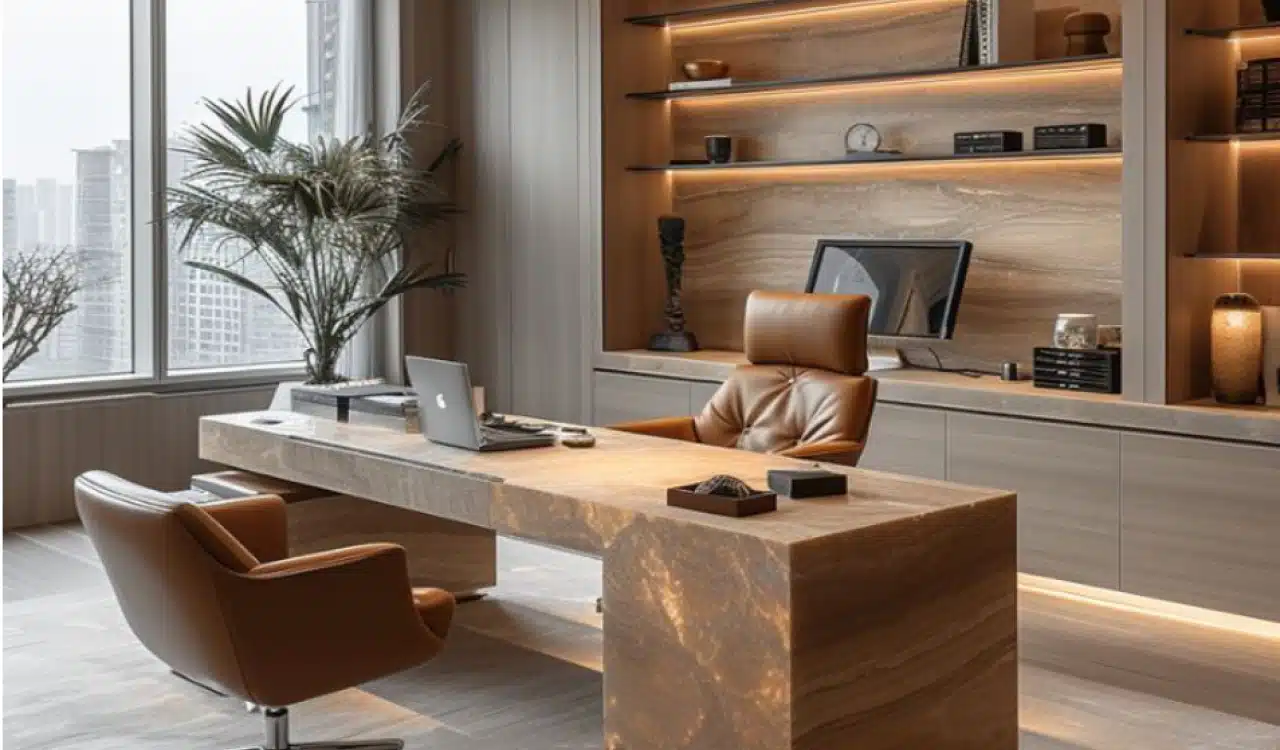
One of the key principles of maximizing small office spaces is to utilize multifunctional furniture. Desks that double as storage units, foldable chairs, and mobile partitions can optimize space without compromising usability. For instance, a desk with built-in shelves or filing cabinets can help keep workspaces tidy, while mobile partitions can quickly transform open areas into meeting rooms or collaborative spaces.
Pro Tip: Opt for modular furniture that can be rearranged to suit different work requirements. This not only maximizes flexibility but also ensures that you can adapt your space as your business evolves.
2. Optimize Vertical Space
When floor space is limited, don’t forget to think vertically. Shelving units, wall-mounted desks, and vertical storage solutions are excellent ways to create additional storage and work areas without encroaching on valuable floor space.
Example: Installing wall-mounted shelves above desks can free up surface areas, while vertical filing systems can reduce clutter and enhance organization.
3. Glass Partitions for Openness and Light
Glass partitions are a popular fitout solution in modern offices, especially in small spaces. They create an open, airy feel while maintaining privacy. Unlike traditional walls, glass partitions allow natural light to flow through the space, making the office feel larger and more inviting.
Tip: Frosted or tinted glass can provide added privacy without blocking out light or creating a closed-off feeling.
4. Incorporate Built-in Storage
Custom-built storage solutions can be a game-changer for small office spaces. Built-in cabinets, hidden drawers, and under-desk storage can help keep the office organized and free from clutter. Tailoring storage to your specific needs will ensure that no space is wasted.
Bonus: Hidden storage, such as pull-out filing cabinets or built-in drawers under desks, can maintain a sleek and minimalist look while keeping important items close at hand.
5. Use Smart Lighting
Lighting plays a critical role in maximizing small office spaces. Natural light is the best way to create a spacious and welcoming environment, but when that’s not available, smart lighting solutions can help.
LED lighting systems with adjustable brightness and color can help set the right mood while reducing energy consumption. Positioning lights strategically to highlight key work areas can also create the illusion of more space.
Pro Tip: Use task lighting on desks and workstations to minimize shadowing, and consider installing overhead lighting that brightens the entire space evenly.
6. Space-Saving Layouts
A well-planned office layout can make even the smallest of spaces feel open and productive. Consider hot-desking or shared workstations, especially if your team frequently works remotely or on a flexible schedule. Open-plan layouts encourage collaboration while maximizing space. However, it’s essential to include breakout zones for quiet, focused work.
7. Minimalist Design Approach
Minimalism is a powerful design trend for small office spaces. By embracing a clutter-free environment, you can make your space appear larger and more organized. Stick to neutral colors, clean lines, and simple furnishings. Not only does this make your office feel more spacious, but it also promotes a calm and focused atmosphere.
Tip: Incorporate greenery such as small plants or vertical gardens to add a touch of nature without taking up precious floor space.
8. Leverage Technology
Smart technology can significantly improve the efficiency of small office spaces. Wireless charging stations, smart desks that adjust to different heights, and cloud-based storage can reduce the need for bulky equipment and physical storage. Video conferencing tools can eliminate the need for large meeting rooms, allowing for more flexible use of space.
9. Acoustic Solutions for Noise Control
In small office spaces, noise control can be a challenge. Acoustic panels, soundproofing materials, or even sound-absorbing furniture can help reduce distractions and create a more comfortable environment. Installing soundproof booths for calls or private meetings is another effective way to maintain productivity without needing extra rooms.
10. Personalization and Branding
Don’t let limited space stop you from incorporating your company’s branding and personality into the design. Wall graphics, artwork, or branded colors can still be used effectively in smaller offices. Custom-designed fitouts that reflect your company’s ethos can create a positive and motivating work environment, even in compact spaces.
Conclusion
Maximizing small office spaces with smart fitout solutions is all about innovation, planning, and flexibility. By choosing multifunctional furniture, optimizing vertical space, and embracing technology, you can create an efficient and aesthetically pleasing workspace. Don’t let the size of your office limit your potential; smart design can transform any small space into a highly functional and inspiring workplace.